Your keyboard case material greatly shapes your typing sound. Metal cases like aluminum and brass produce brighter, resonant tones with sharp, high-pitched sounds and longer sustain, while plastics like polycarbonate and POM dampen vibrations for softer, muted acoustics. Hard materials bring crispness, and flexible ones absorb vibrations, softening the tone. Adding damping or weights can further refine the sound and feel. Keep exploring to discover how to customize your perfect typing experience.
How Different Materials Shape Your Keyboard’s Sound
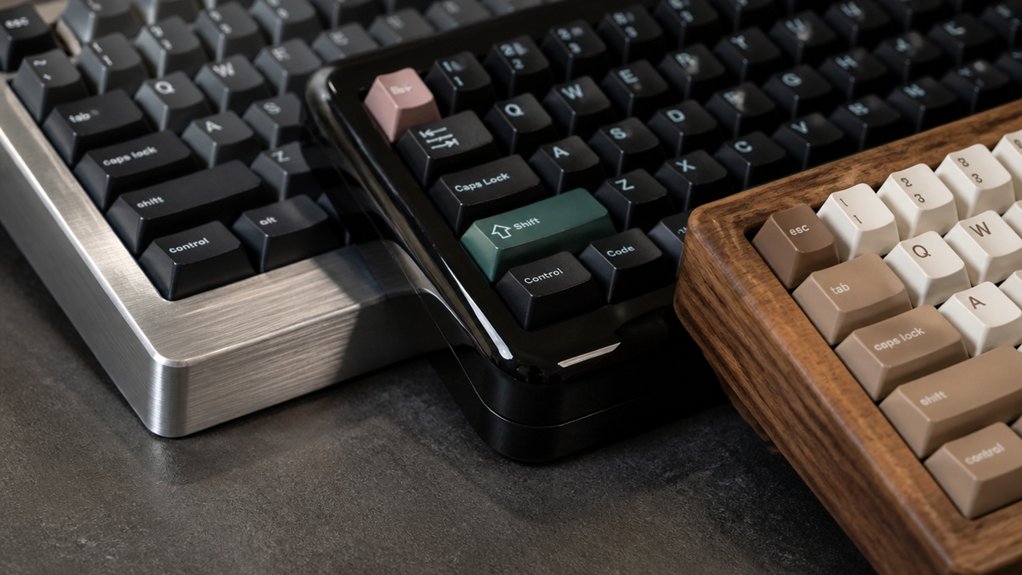
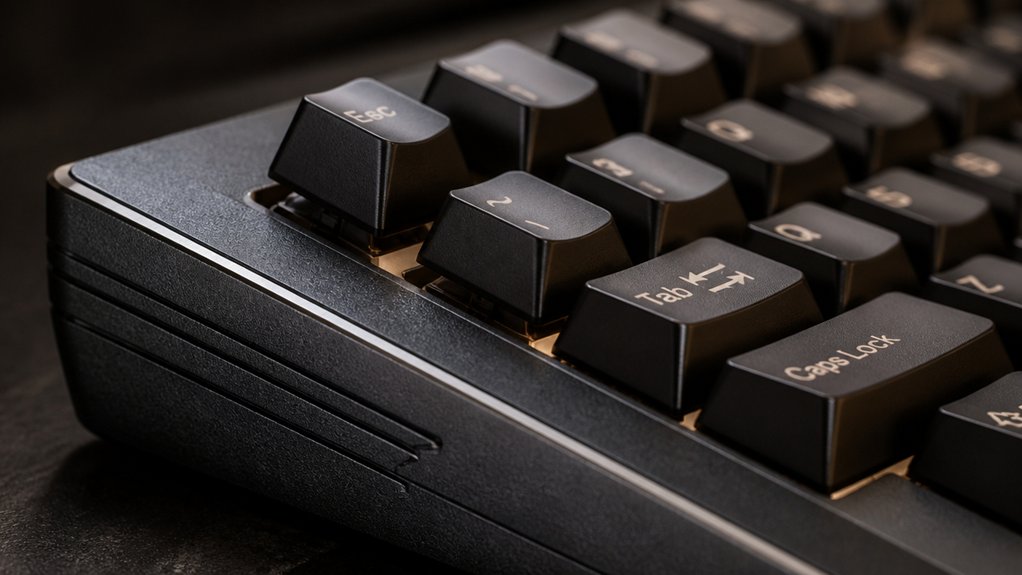
The material of your keyboard case plays a crucial role in shaping its sound, as different materials vibrate and dampen keypresses in unique ways. High-quality aluminum, such as forged or CNC-machined alloys, can enhance the resonance and brightness of the sound, offering a premium tactile experience. Surface finishes like anodizing or sandblasting can also influence the acoustic profile by modifying surface properties and damping vibrations. Plastic cases, such as polycarbonate, provide warmer, softer acoustics with excellent vibration damping, resulting in a quieter typing experience. Acrylic cases generate a bright, hollow sound that’s softer on your fingers, but they’re prone to cracking, which can impact long-term sound consistency.
How Density and Weight Influence Keyboard Tone
The weight and density of your keyboard case shape how vibrations are managed, affecting both durability and tone. Heavier, denser materials dampen vibrations, creating a solid, muted sound, while lighter ones produce brighter, more resonant tones. Adding mass can improve stability and clarify sound resonance, making your typing experience more consistent. Incorporating protective materials like a hard EVA shell or ultra-hard construction can further influence how sound is transmitted and absorbed during use.
Vibration Durability and Tone
Vibration durability and tone are heavily influenced by the materials’ density and weight used in your keyboard case. Heavier materials like brass (8.6 g/cm³) and steel (7.9 g/cm³) lower vibration frequency, creating a deep “thock” with minimal echo and longer sustain. These metals improve damping capacity, reducing resonant vibration and stabilizing the sound signature. Lighter aluminum cases (2.7 g/cm³) generate brighter, higher-pitched tones but may need extra weight or damping to produce a richer sound. Incorporating brass or steel weights into lighter cases enhances vibration durability, enriching the acoustic profile. The right material choice directly affects how vibrations decay and whether your tone remains muted or resonant.
| Material | Effect on Vibration Durability | Sound Signature |
|---|---|---|
| Brass | Increases durability, deepens tone | Warm, resonant |
| Steel | Enhances stability, longer sustain | Deep, full-bodied |
| Aluminum | Lighter, may need damping | Bright, lively |
| Plastic | Quick vibration decay | Muted, soft |
Sound Resonance and Clarity
Material density and weight directly shape how your keyboard sounds, especially in terms of sound resonance and clarity. Heavier, denser case materials like brass and steel (8.6 g/cm³ and 7.9 g/cm³, respectively) lower vibration frequency, producing a deep “thock” sound with minimal echo and longer sustain. Aluminum cases (2.7 g/cm³), being lighter, tend to generate brighter, higher-pitched clack sounds, which can cause resonant pinging without damping. Adding brass or steel weights to an aluminum case increases overall mass, enhancing sound depth and reducing unwanted resonance and echo. The natural frequency of your keyboard case decreases as density increases, favoring deeper tones and minimizing high-frequency ringing—key factors in achieving desired sound resonance and clarity. Moreover, the choice of solid, monolithic wood, such as walnut or beech, can significantly influence the acoustic profile, often providing a warmer and more resonant tone than synthetic materials.
Rigidity vs. Flexibility: How Case Material Affects Feel and Resonance
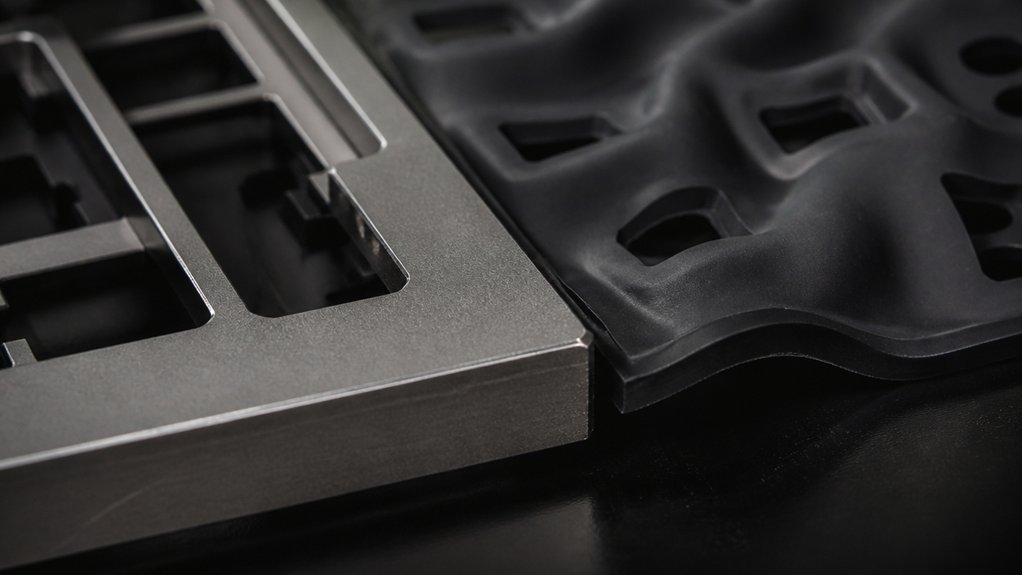
Choosing between rigid and flexible case materials greatly influences both the feel of your typing experience and the sound produced. Rigid case materials like aluminum or stainless steel provide high rigidity, resulting in minimal flex and a firm typing feel. This rigidity transmits vibrations efficiently, producing sharp, high-pitched sound profiles with pronounced resonance.
Conversely, flexible case materials such as polycarbonate absorb vibrations, softening the sound and creating a muted, cushioned feel. The flexibility dampens resonance, reducing echo and high frequencies.
The case material’s rigidity directly impacts the duration and tone of resonance, with rigid cases amplifying sharper sounds. Using damping materials alongside flexible cases enhances noise reduction, while rigid cases lack this damping, emphasizing crispness and responsiveness suited for gamers.
How Damping Properties Reduce Noise and Vibrations
You can lower keyboard noise by choosing materials that absorb vibrations, like polycarbonate or POM, which shorten sound decay and reduce resonant pinging.
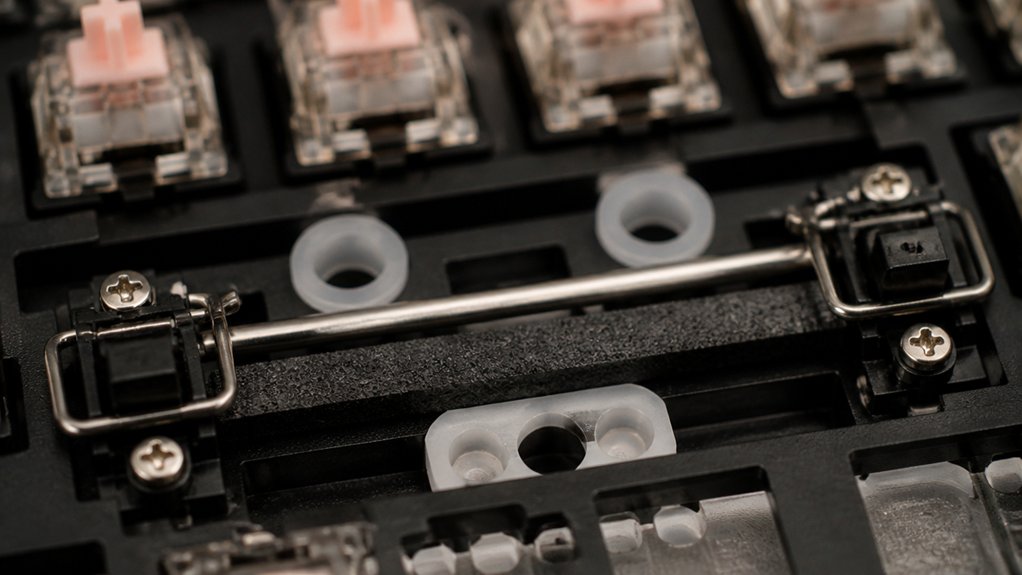
Adding damping elements such as Poron foam or silicone dampeners minimizes internal echo and prevents metal-on-metal vibrations.
Disrupting sound reflections with acoustic ribs and textured surfaces further lessens hollow and echoing sounds inside the case.
Material Absorption of Vibrations
Have you ever noticed how some keyboard cases feel noticeably quieter and softer when you type? This is due to material absorption, which reduces vibrations and dampens sound waves.
Damping materials like polycarbonate excel at absorbing vibrations inside the case, preventing resonance and echo. Foam layers, such as case foam or poron foam, are often added for internal dampening. Poron foam, about 2–3 mm thick, absorbs vibrations and cuts down reverb, creating a deeper, less hollow sound.
Metals like aluminum tend to transmit vibrations more readily, producing louder, pingy noises unless paired with damping materials.
Texture and acoustic ribs inside the case help scatter sound waves, breaking up vibrations, reducing resonance, and making your typing quieter and more refined. Additionally, using specialized foam padding can further improve vibration dampening by absorbing residual sound energy.
Acoustic Enhancements Through Damping
Damping materials play a crucial role in improving acoustic performance by actively reducing vibrations within the keyboard case. High damping materials like polycarbonate and POM absorb vibrations effectively, lowering resonance and preventing pinging sounds common in metal cases.
Foam inserts, such as Poron of 2–3 mm thickness, are placed inside the case to cut reverb and echo, producing a deeper, more refined typing sound. Silicone or force-break dampeners are installed between case components to disrupt metal-on-metal resonance, enhancing sound clarity and minimizing high-frequency noise.
Additionally, acoustic ribs and textured internal surfaces scatter sound waves, diminishing echo and vibration transmission. Your internal design, including damping materials, directly influences how vibrations are controlled and, ultimately, how smooth and quiet your typing experience becomes. Incorporating material density and composition into your selection can further optimize sound dampening and absorption performance.
Metal, Plastic, or Organic: Which Material Makes the Best Typing Tone?
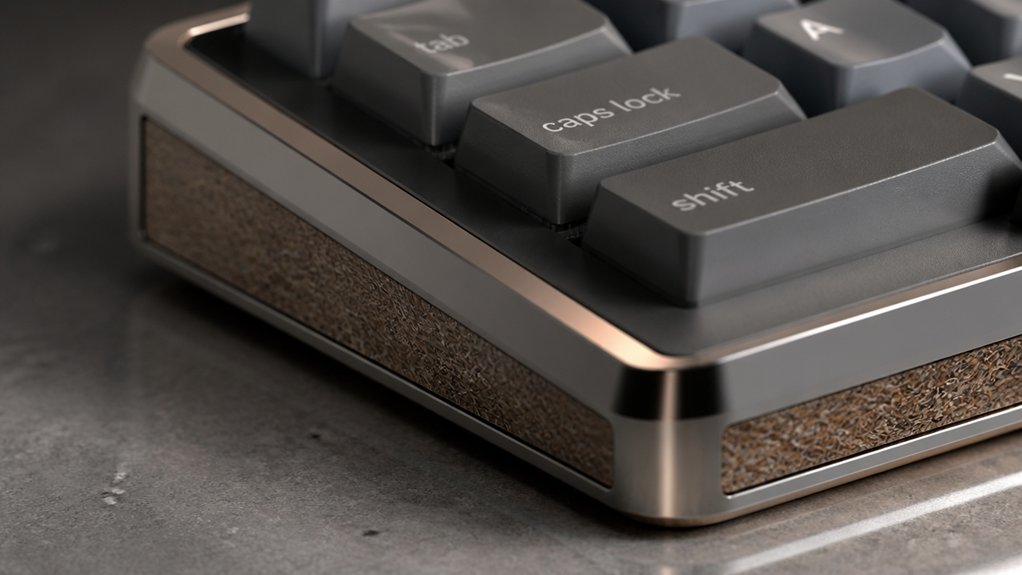
When choosing a keyboard case material, the sound it produces during typing becomes a key factor. Metal cases, like aluminum and brass, offer bright, deep thock sounds, with brass producing resonant tones and aluminum prone to pinging unless damped.
Plastic cases, such as polycarbonate and POM, generate softer, muted acoustic tones due to their flexibility and damping properties, ideal for quieter typing.
Organic materials, like wood and bamboo, create warm, natural tones with unique resonance influenced by grain and density, delivering a distinctive tactile experience.
Here’s what to keep in mind:
- Metal cases provide sharper, high-pitched sounds with more resonance.
- Plastic cases damp vibration, resulting in softer, muted tones.
- Organic materials deliver warm, natural acoustic tones with character.
- The type of material also impacts material durability and how it ages over time.
How Case Material Works With Plate and Mounting Styles to Change Sound
The interaction between case material and mounting style plays a crucial role in shaping your keyboard’s sound profile. Hard materials like aluminum produce bright, crisp tones that may ping without damping, while plastics like polycarbonate and POM absorb vibrations, resulting in warmer, softer typing sounds. Gasket mounts isolate the plate and case, reducing vibrations and creating quieter, more flexible acoustics. Heavier case materials, such as brass or steel, combined with rigid mounts, produce deep, resonant “thock” sounds by lowering resonance. Flexible plates paired with softer case materials dampen high-frequency clacks, creating a muted feel. Acoustic treatments like foam and silicone dampeners work with these elements to further refine your typing sound. Additionally, selecting materials with heat-resistant alloys can help maintain sound qualities under prolonged use.
Practical Tips for Choosing and Modifying Keyboard Cases
Choosing the right keyboard case and knowing how to modify it can make a noticeable difference in your typing experience. To optimize your keyboard sound and feel, consider the case materials and modifications.
Selecting the perfect case and modifications enhances your keyboard’s sound, feel, and stability.
- For deeper, long-sustain *”thock”* sounds and stability, opt for *brass or steel cases*, or add internal weights. These choices enhance keyboard stability during heavy typing.
- If you prefer a *muted sound profile* and vibration damping, *polycarbonate or POM cases* work well, especially with foam dampening like Poron or IXPE inside.
- To soften metallic tones and improve sound clarity, modify mounting styles—try *gasket mounts* or *flex-mounted plates* with silicone or tape dampeners. This elevates both the *typing feel* and overall acoustics.
How to Customize Case Materials for Your Ideal Sound
Ever wondered how your choice of case materials can transform your keyboard’s sound? To customize your keyboard sound, consider different case materials and their impact on your sound profile.
Using rigid materials like aluminum cases results in a deeper, resonant “thock” for a satisfying typing sound, especially when combined with added steel or brass weights for extra depth. Soft materials, such as polycarbonate, soften high-pitched echoes, creating a warmer, more muted typing sound.
Foam dampeners, like Poron foam, placed inside the case, reduce resonance and reverb for a refined feedback. Also, selecting plates made of brass or POM influences tone, with metal plates producing brighter sounds and plastics offering softer, muted acoustics. Incorporating Poron foam layers can further absorb vibrations and fine-tune the overall noise profile. Adjusting mounting styles can further tailor vibration transfer, helping you achieve the perfect balance of sharpness and softness.
Picking the Right Material for Your Perfect Balance of Sound and Feel
Selecting the right case material plays a vital role in balancing sound and feel, allowing you to tailor your typing experience to your preferences.
Choosing your case material shapes your typing sound and feel, customizing your keyboard experience to suit your preferences.
Rigid materials like aluminum or steel produce a bright, crisp, and resonant keyboard sound, often emphasizing mechanical keyboard vibrations. To manage this, adding damping foam or internal weights helps soften decibel levels and reduce vibrations for a more controlled sound profile.
Conversely, plastic cases—such as polycarbonate or POM—offer softer, muted acoustics with less resonance, delivering a cushioned typing feel ideal for those seeking reduced fatigue.
Consider these options:
- Choose aluminum or steel for a deep, resonant thock with added stability.
- Opt for plastic cases to achieve softer, quieter, and less echoing sound profiles.
- Use damping foam or weights to fine-tune vibrations and sound decay.
Frequently Asked Questions
Does Keycap Material Affect Sound?
Yes, your keycap material directly affects sound. Heavier, denser materials like metal produce a deeper “thock,” while harder plastics like PBT create sharper, crisper sounds. The profile and thickness of your keycaps also influence overall acoustics.
Why Do Gamers Hate Membrane Keyboards?
You dislike membrane keyboards because they offer less tactile feedback, are slower and less responsive, produce dull sound, and lack durability and stability, which hampers your quick reactions, precise inputs, and overall gaming performance during intense sessions.
What Is the Quietest Keyboard Case Material?
You’ll find polycarbonate cases the quietest because they efficiently dampen vibrations and absorb sound, creating a soft, muted typing experience. POM cases are also very quiet, offering deep keystrokes with low resonance and minimal ping noise.
Why Is My Keyboard Making Typing Sounds?
Your keyboard makes sounds because the case material, mounting style, and internal structures vibrate when you type. Hard materials create sharper noises, while flexible or dampened cases absorb vibrations, reducing noise and resulting in softer, muffled sounds.
In Summary
Choosing the right keyboard case material directly impacts your typing experience, balancing sound, feel, and resonance. Whether you prefer the sharp click of metal or the softer tone of organic materials, understanding how density, rigidity, and damping play into sound can help you customize your setup. Experiment with different materials and modifications to find the perfect balance for your typing style—your ideal sound and feel are within reach with the right case choice.