To optimize tactile switches, start by applying light lubricant like Tribosys 3203 on stem and leaf areas to reduce noise without dulling tactility, while avoiding contact points responsible for the tactile bump. Make certain springs are evenly coated with Krytox 105 oil for smoothness, and lightly lubricate housing rails and stem sides with Krytox 205g0 for better feel. Proper technique involves precise application and not over-lubricating, so you preserve crisp feedback—stick around to learn more tips for perfect switch performance.
How to Protect Tactility When Lubing Switches

To protect the tactile feel of your switches while lubing, it’s crucial to avoid lubricating the key contact points that create the tactile bump.
Avoid lubricating contact points to preserve the tactile bump and maintain switch responsiveness.
Focus on applying a light lube, such as Tribosys 3203, to the stem and leaf areas to reduce noise without dulling tactility. Keep your lubrication within the “protected zone,” avoiding the contact areas directly responsible for the tactile bump.
Use Krytox or similar thin lubricants selectively on housing rails and stem sliders to smooth keystrokes without diminishing the bump’s sharpness.
Over-lubrication or thick grease risks creating a mushy feel, similar to linear switches, and can weaken tactility. Maintaining the integrity of the tactile bump requires precise application, ensuring friction parts are lubricated while contact points stay protected.
How to Lubricate for Smoothness Without Losing Tactility
Ever wondered how to make your switches glide smoothly without sacrificing that satisfying tactile bump? To achieve this, focus on lubing tactile carefully.
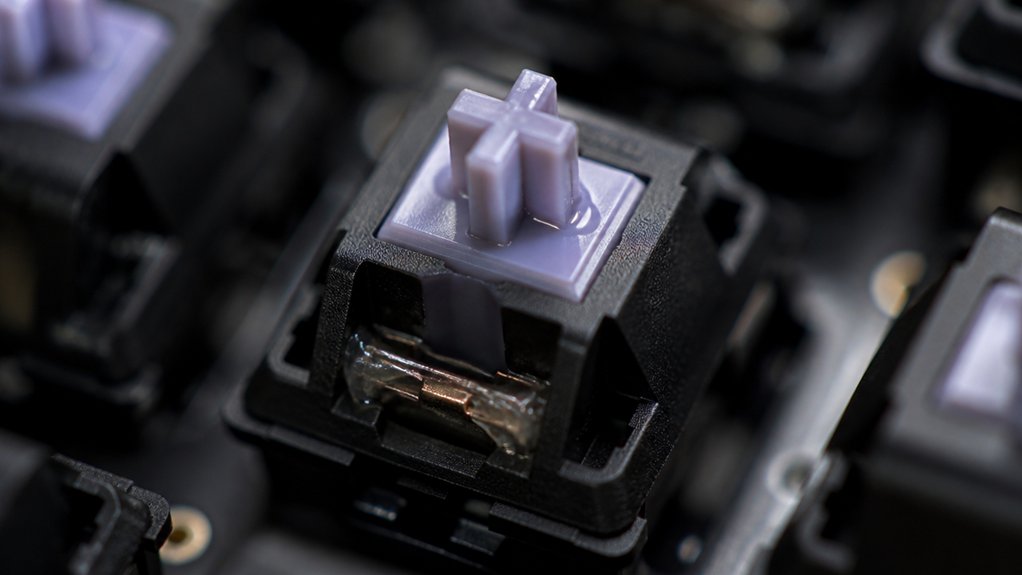
Apply a light coat of Tribosys 3203 on the copper leaf and front legs to reduce leaf ping and scratchiness while keeping the tactile bump sharp. Avoid lubing the metal leaf contact points and stem front-facing legs, since these are responsible for the tactile feedback’s collision.
For smoother slider movement, use Krytox 205g0 sparingly on the housing rails and the stem’s rear side, staying within the Protected Zone to prevent mushy sensations. Using the appropriate lubricant viscosity is essential for maintaining the desired balance of feel and sound.
Always test each lubed switch individually before bulk lubing, ensuring you strike the right balance between smoothness and tactility. Proper lubing enhances performance without dulling the satisfying tactile response.
How to Lubricate Springs, Housings, and Stems for Best Results
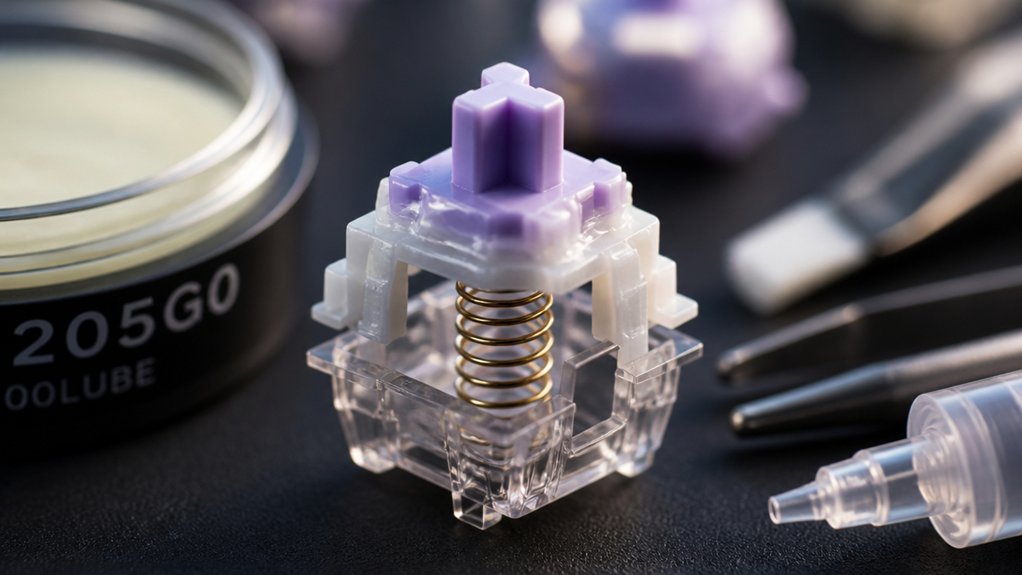
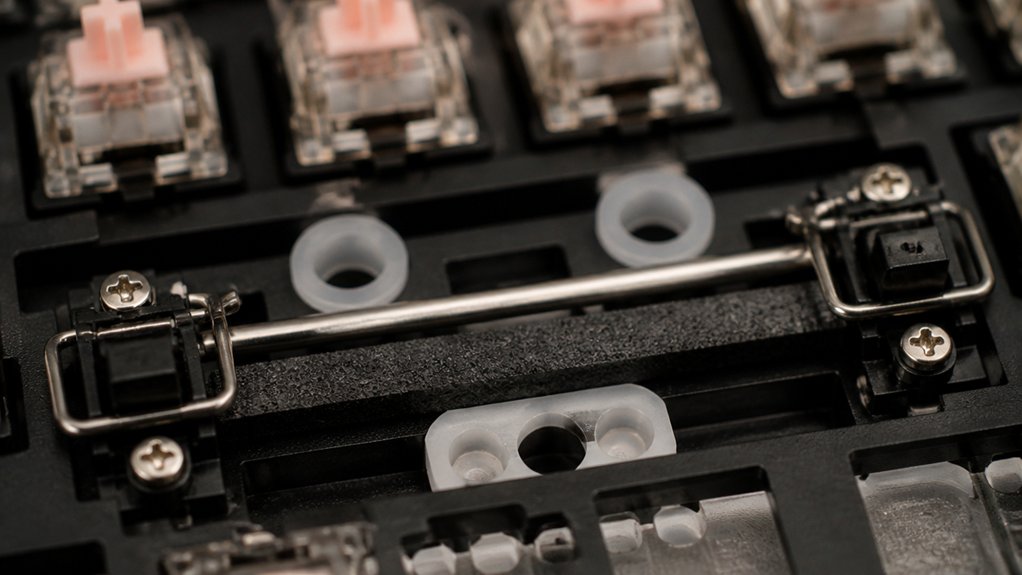
Lubricating springs, housings, and stems properly can greatly enhance your switch’s feel and sound. For springs, place them in a container with Krytox 105 oil, shake thoroughly to coat evenly, then remove excess. Use minimal lubricant to reduce noise without dulling tactile feedback. For housings, apply a thin, even layer of Krytox 205g0 on the bottom rails and outer center post, avoiding contact with the copper leaf to maintain tactile bump. When lubing stems, lightly coat the sides and back with Krytox 205g0 using a fine brush, carefully avoiding the front legs. Also, apply Tribosys 3203 at contact points for leaf ping reduction without dulling tactility. Proper alignment during assembly guarantees peak switch feel and sound. Carefully consider the durability of your lubricants and components to ensure long-term performance.
Frequently Asked Questions
What Is the Best Lube for Tactile Switches?
You should use light lubricants like Tribosys 3203 or 3204 for tactile switches, as they preserve the tactile bump, reduce scratchiness, and noise, ensuring smooth keystrokes without dampening the switch’s critical feedback.
How to Lube Tactile Keyboard Switches?
To lube tactile switches, use a thin application of Tribosys 3203 on housing rails and stem’s front legs to preserve tactility, avoiding the leaf spring and hump. Apply Krytox 105 sparingly to springs for quiet, smooth feedback.
What Can I Use to Lubricate Keyboard Switches?
You can use lightweight lubricants like Tribosys 3203 or 3204 for tactiles, sparingly apply Krytox GPL 205g0 on non-contact areas, and use Krytox 105 on springs. Always apply thin layers with a fine brush.
Can You Use WD40 to Lube Keyboard Switches?
You shouldn’t use WD40 to lube keyboard switches because it contains harmful solvents that can damage plastics and compromise switch reliability. Instead, opt for keyboard-specific lubricants like Krytox or Tribosys, which are safe and effective.
In Summary
To get the best sound and feel from your tactile switches, focus on applying lubrication carefully. Protect the tactility by using the right amount and type of lube, and avoid over-lubricating certain parts to maintain that satisfying bump. Remember, precise application on springs, housings, and stems guarantees smooth operation without sacrificing responsiveness. With practice, you’ll master these techniques for a balanced, high-quality keyboard experience that feels just right every time you press a key.