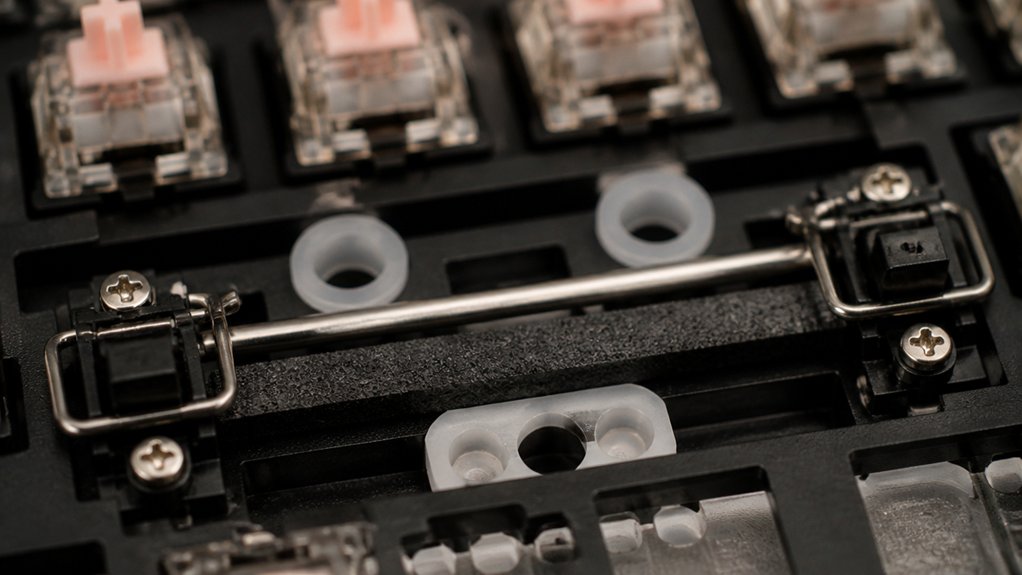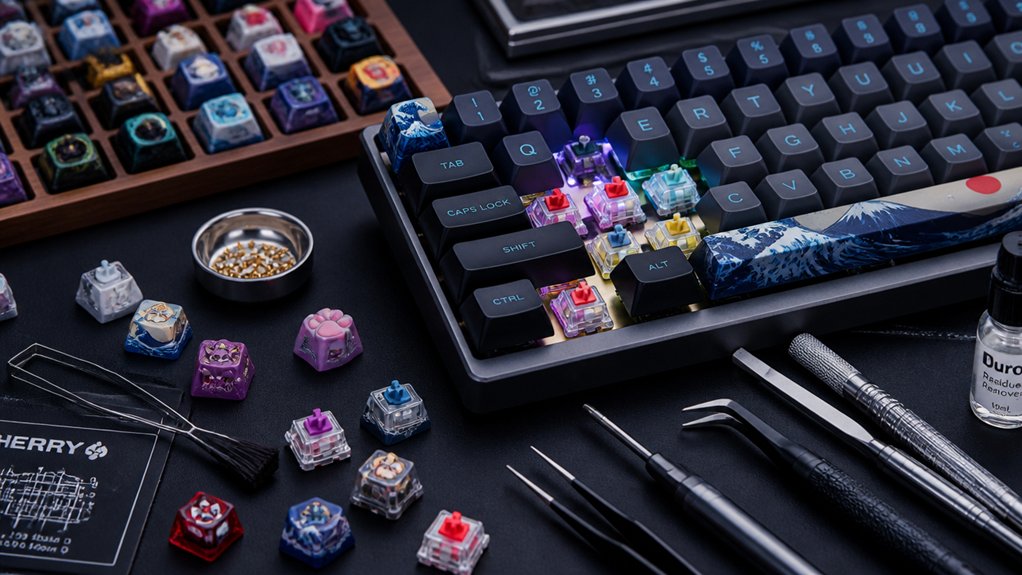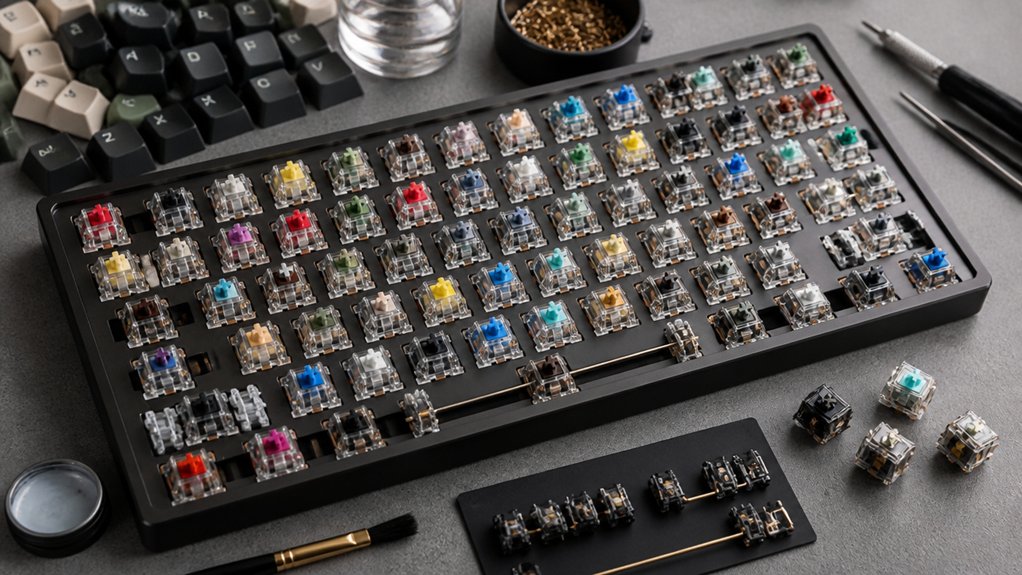

To extend your switch lifespan, choose high-quality lubricants like Krytox GPL 205G0 or Tribosys 3204, which provide durability and smoothness. Use greases for housings and stems, and light oils like Krytox 203 or Tribosys 3203 for springs and tactile parts. Apply sparingly with fine brushes and keep everything clean. Proper lubrication reduces friction, noise, and wear, helping your switches last longer. Keep exploring to learn more about optimizing switch maintenance and performance.
Why Proper Lubrication Extends Switch Life
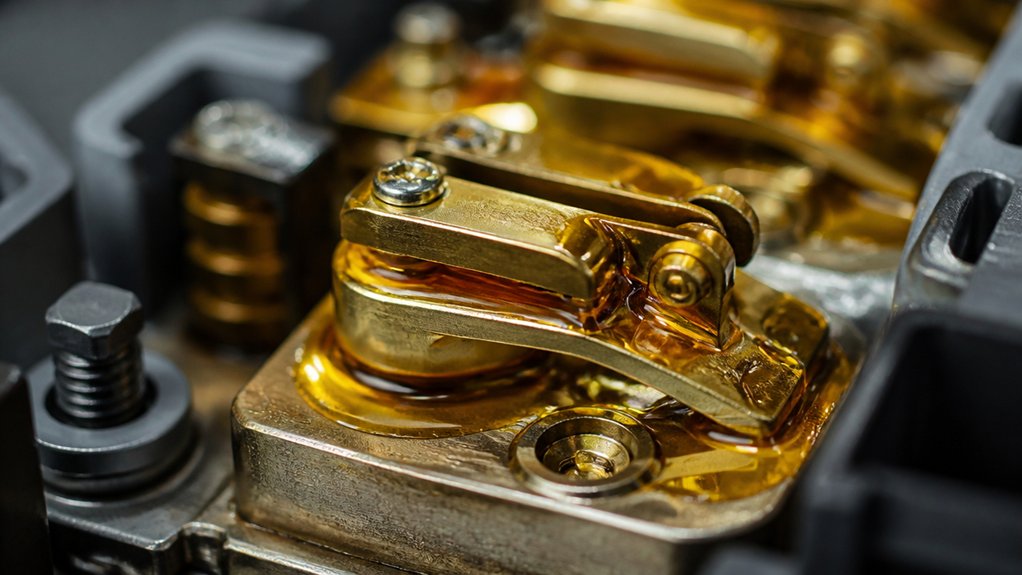
Proper lubrication is essential because it minimizes friction and wear between the switch’s moving parts. When you apply the right lubricant, it reduces friction that causes metal-to-metal contact, which leads to faster degradation.
A well-chosen lubricant also ensures consistent performance over time, maintaining the switch’s original feel and sound. Switch lubricant stability is crucial for long-term performance, as it prevents the lubricant from breaking down or becoming sticky with heat or oxidation. Lubrication also dampens noise and stabilizes the switch movement, reducing micro-damage caused by vibrations or impacts inside the housing and springs. Additionally, well-applied lubricant guarantees smooth actuation and consistent tactile response, preventing uneven resistance that can stress components prematurely. Regular lubrication maintains peak function, delaying the need for switch replacement and helping your keyboard perform reliably over several years.
Choosing the Best Lubricant for Your Switch Type
Selecting the right lubricant for your switch type is crucial to optimizing both performance and lifespan. For tactile switches, choose lower viscosity lubricants like Tribosys 3203 or Krytox 203 oils. These lubricants preserve tactile feedback while extending switch life. Using pre-lubricated switches can also enhance longevity and reduce friction naturally. Linear switches benefit from higher viscosity greases such as Krytox GPL 205g0 or Tribosys 3204, which improve smoothness and durability. Avoid spray or gel lubricants on switch contacts, as they can impair electrical connectivity; instead, opt for specialized greases designed for switch components. Well-chosen lubricants with good chemical stability, resistance to oxidation, and load-carrying additives will guarantee consistent performance. Versatile lubricants like Tribosys 3204 or Krytox 204 grease work well for both tactile and linear switches, making them ideal all-around choices.
How Lubricant Viscosity Affects Switch Performance
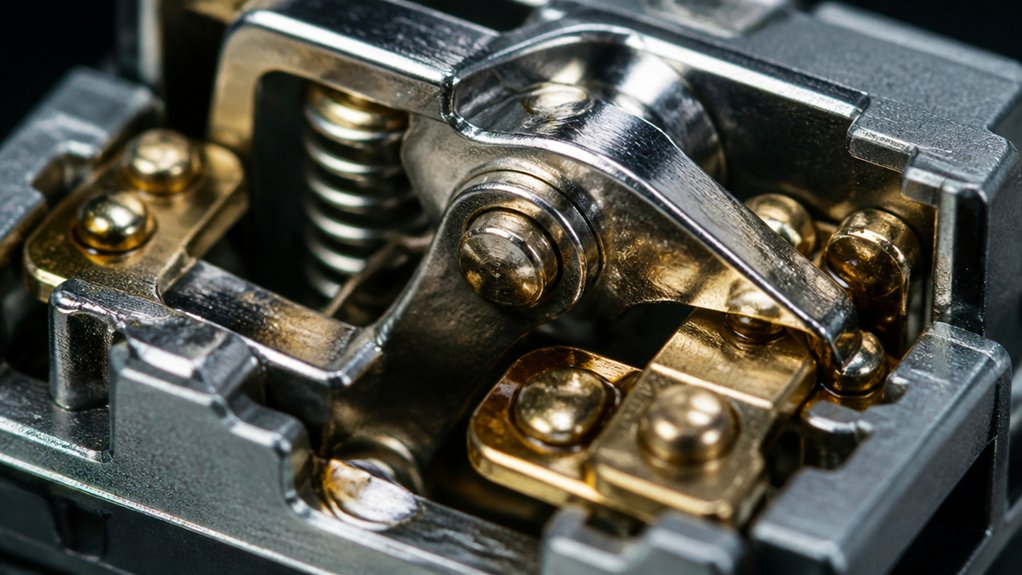
Lubricant viscosity plays an essential role in shaping your switch’s performance by directly affecting how smoothly and quietly it operates. A viscosity lubricant, like Krytox GPL series, determines how well the lubricant coats internal parts. Lower viscosity oils, such as Tribosys 3203, allow spring and stem movement to stay smooth without dampening tactility. Higher viscosity products, like Krytox GPL 205g0 grease, create thick, long-lasting films that enhance smoothness in linear switches but can reduce tactility if overapplied. Medium viscosity lubes, such as Tribosys 3204 or Krytox 204, offer balanced performance, suitable for both linear and tactile switches. Viscosity stability is also crucial to maintain consistent performance across varying temperatures and environmental conditions.
Greases or Oils? Which Is Better for Switch Maintenance?
Are greases or oils better suited for switch maintenance? It depends on the switch component. Greases, like Krytox GPL 205g0, are ideal for housings and stems because their thicker consistency reduces friction and wear, providing longer-lasting lubrication. Oils, such as Tribosys 3203, with their low viscosity, are better for springs and intricate parts, ensuring light, even coverage without affecting tactility. Additionally, selecting the appropriate lubrication involves considering the material density and composition of each switch part to optimize performance.
- Greases deliver a smoother feel and dampen noise but are harder to apply evenly.
- Oils allow versatile application methods like bag lubing, making springs feel lighter.
- Low viscosity oils help preserve tactile feedback, while greases enhance smoothness for linear switches.
Choosing the right lubricant type based on component and desired feel is key to extending switch lifespan.
Picking Lubricants Based on Switch Material and Design
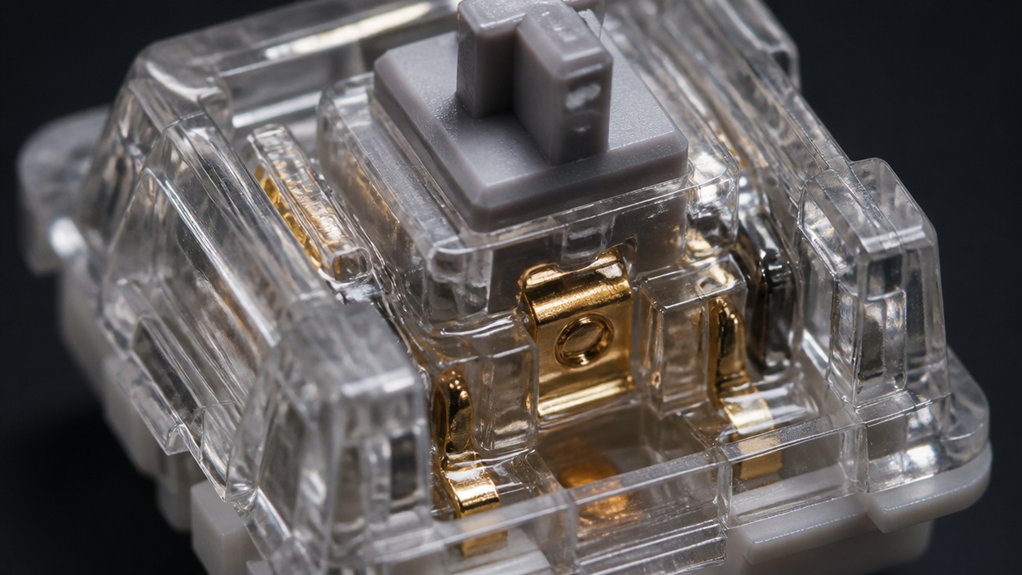
Choosing the right lubricant depends heavily on your switch’s material and design, as compatibility and performance can vary widely. Grease like Krytox GPL 205g0 is ideal for switches with lower tolerance housings, filling imperfections and extending lifespan through quality lubrication. For high-quality housings like Tealios, lightweight oils such as Tribosys 3203 or 3204 provide better flow and tactility preservation. Linear switches benefit from higher viscosity greases or oils, like Krytox 205 or 106, to maximize smoothness and durability. Tactile switches, however, require lighter lubes to maintain feedback and prevent premature wear. Always verify your lubricant is compatible with your switch’s material to avoid degradation. Additionally, employing proper lubrication techniques can further enhance switch longevity and performance.
How to Apply Lubricant for Maximum Durability
To get the most out of your lubricant, focus on precise application techniques that target moving parts like sliders, springs, and contact points with a fine brush.
Make sure to apply sparingly and evenly to prevent dust build-up or impaired switch action. Regular maintenance, including cleaning and proper storage, helps maintain lubrication effectiveness and switch durability over time.
Precise Application Techniques
Applying lubricant precisely is essential for maximizing switch lifespan. Use fine brushes (size 00) to guarantee a thin, even coat on the switch housing and stem, preventing excess buildup that can reduce durability.
Focus your lubrication on moving parts such as sliders, spring contact points, and the tops/bottoms of springs; avoid applying to stem legs in tactile switches to preserve tactility. Remember to apply sparingly, layering minimal amounts initially to avoid residue that shortens effective lubrication.
For springs, use a bag lubing method with about 0.1-0.15 mL per 100 springs for consistent coverage and longer-lasting effects.
Always choose the right lubricant based on manufacturer guidelines and community recommendations to assure proper viscosity and chemical compatibility.
Regular Maintenance Practices
Maintaining your switches for maximum durability involves more than just initial lubrication; it requires regular checks and timely reapplications. Develop a maintenance routine that includes monitoring switch performance’s telltale signs like increased friction, noise, or scratchiness.
Follow manufacturers’ recommendations for lubricant type and viscosity, such as Krytox GPL 205G0 for linear switches or Tribosys 3203 for tactile ones, to guarantee peak performance. When re-lubricating, apply lubricant sparingly and precisely with a fine brush to housings and stems, focusing on sliders, springs, and contact points.
Use bag lubing for springs by shaking them with a minimal amount of lubricant to promote even coverage and extended life. Additionally, lubrication consistency plays a crucial role in ensuring uniform wear and optimal switch performance over time. Regular maintenance prevents premature breakdown, preserving switch tactility and smooth operation over time.
Why Regular Maintenance Keeps Your Switches Working Smoothly
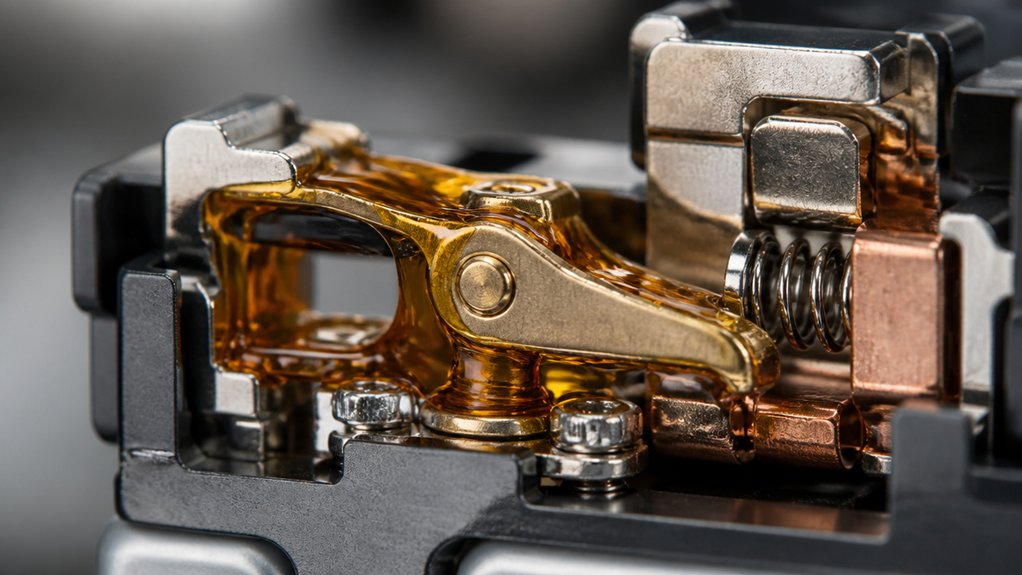
Regular maintenance helps prevent dust buildup and reduces friction, which can cause wear and damage over time.
Monitoring your switches for signs like increased noise lets you catch issues early and re-lubricate as needed.
Staying consistent with light lubrication keeps your switches smooth and reliable for the long haul.
Prevents Wear and Damage
Lubrication plays an essential role in preventing wear and damage within mechanical switches, ensuring they stay smooth and reliable over time.
When you regularly lubed switches with high-quality grease like Krytox GPL 205G0, you reduce friction and minimize metal-to-metal contact that causes abrasion. This lubrication not only lubricates and protects but also prevents microscopic damage that can lead to switch failure.
Proper maintenance can keep switches operating smoothly for 6 to 24 months, depending on use. Ignoring lubrication or using the wrong type can cause increased friction, contamination buildup, and damage. Using factory pre-lubed switches, like many of the ones listed, can also enhance durability by providing consistent initial lubrication that extends their lifespan.
To extend switch lifespan, consider:
- Regularly applying high-quality lubricant
- Avoiding harsh or inappropriate lubricants
- Checking for signs of wear like noise or roughness
Ensures Smooth Operation
Keeping switches operating smoothly hinges on consistent maintenance practices. Using the right lubricant, like Krytox GPL 205G0 or TriboSys 3204, minimizes friction and wear, ensuring your switches move effortlessly.
Regular re-lubing prevents equipment from becoming scratchy or noisy, maintaining consistent tactile feedback. Applying lubricant to key components—housings, springs, and stems—helps keep operation silky smooth. Since frequent use can break down and displace lubricant, re-lubing every 6 to 24 months is essential to sustain performance.
Additionally, careful cleaning with compressed air and dust removal prevents contamination that can degrade lubricant’s effectiveness. Avoiding overlubrication and selectively applying lubricant preserve switch tactility while enhancing smoothness and lifespan, leaving you with a reliably smooth typing experience over time. Proper application of switch films can further tighten the switch housing and reduce wobble, extending the overall lifespan of your keyboard switches.
Common Mistakes That Shorten Switch Longevity: and How to Avoid Them
Many beginners inadvertently shorten switch lifespans by making common mistakes during maintenance. One mistake is over-applying lubricant, which can cause buildup and interfere with switch contacts, leading to inconsistent actuation. Using inappropriate lubricants, like WD-40 or non-electronic oils, can degrade components and leave residues that attract dirt, accelerating wear. Neglecting to clean switches before applying lubricant introduces dirt and debris under the lube layer, increasing friction and noise. Additionally, excessive lubrication on stem legs reduces tactility and puts unnecessary stress on plastic parts, decreasing durability. To avoid these issues, apply lubricant sparingly, guarantee you’re using appropriate, electronics-grade products, and clean your switches thoroughly before lubricating. Regular maintenance is also essential for prolonging switch lifespan, especially by understanding material durability and how it affects longevity.
How to Store and Handle Lubricants for Long-Term Effectiveness
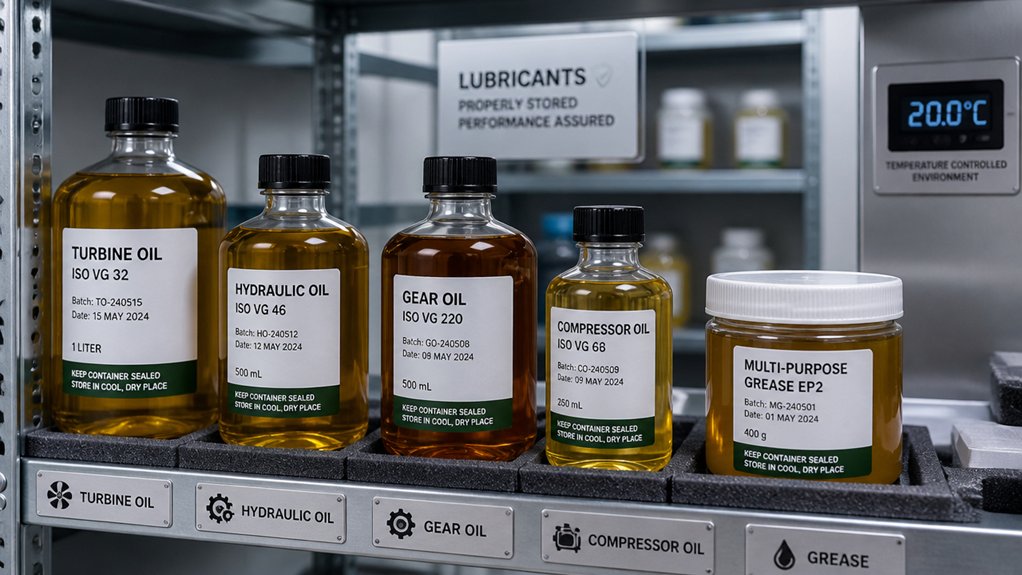
To guarantee your lubricants stay effective over time, store them in environments that are clean, cool, and dry, away from direct sunlight. This prevents chemical degradation and contamination, helping maintain peak viscosity.
Keep containers tightly sealed to protect against moisture, dust, and air, which can cause oxidation and reduce lubrication efficiency. Use dedicated, clean tools when handling lubricants to avoid introducing dirt or particles that can impair performance.
Avoid temperature fluctuations during storage, as repeated heating and cooling can destabilize the lubricant, especially those with higher viscosity.
Regularly check your stored lubricants for any changes in color, odor, or consistency—these signs indicate breakdown. Proper storage guarantees your lubricants stay effective and ready to extend your switch’s lifespan.
Troubleshooting Lubrication Issues and Restoring Switch Performance
When you notice that your switches feel scratchy, resistance is uneven, or keypresses are noisier than before, these are signs that lubrication issues might be at play.
Unusual switch feels or noise may indicate lubrication problems needing attention.
To troubleshoot, first identify if lubricants are used appropriately — degraded or contaminated lubricants can cause poor performance. Clean the contacts carefully with a contact cleaner like Kontakt 60, then reapply a suitable lubricant such as Krytox GPL 205g0 or Tribosys 3203/3204 for superior performance.
To avoid issues:
- Don’t over-lubricate, as it can cause stickiness or sluggishness.
- Fully disassemble switches if switching from poor-quality lubricants (e.g., WD-40 variants).
- Regularly clean and re-lubricate to maintain smooth, quiet keypresses and extend switch lifespan.
- Choosing pre-lubricated switches during purchase can significantly reduce the need for maintenance and improve long-term durability.
Top Products for Long-Lasting Switch Lubrication
Choosing the right lubricant can greatly extend your switch’s lifespan, so it’s important to pick reputable products.
Versatile options like Tribosys 3204 and Krytox GPL 205g0 offer long-lasting protection, while specialty greases like NYOGEL safeguard against corrosion.
Applying these lubricants properly will guarantee smooth, durable performance over thousands of keystrokes.
Recommended Lubricant Types
For long-lasting switch lubrication, selecting the right product is essential. High-grade synthetic lubricants like Krytox GPL 205g0 are widely recommended for their smoothness, durability, and long-lasting performance, often extending switch lifespan to over two years.
Tribosys 3204 offers a versatile, cost-effective balance, suitable for both tactile and linear switches, improving smoothness and longevity. When applying lubricants, focus on switch housings and stems, as these areas benefit most from enhanced wear resistance.
High-quality greases outperform silicone oils and water-based lubricants in durability, while oils like Krytox 104 and Tribosys 3203 are excellent for springs, reducing noise. Proper application guarantees reduced friction and prolonged switch lifespan without sacrificing tactile feedback or function.
- Use synthetic lubricants like Krytox for durability
- Focus on switch housings and stems
- Choose high-grade greases over oils for longevity
Versatile Product Options
High-quality lubricants like Krytox GPL 205g0 and Tribosys 3204 stand out as top contenders for long-lasting switch maintenance because of their wide range and types of lubricants that suit different needs.
Krytox GPL 205g0 offers a smooth, durable grease ideal for reducing friction and wear across various switch components. Tribosys 3204 is versatile, suitable for both tactile and linear switches, and extends lubrication lifespan while preserving tactility.
These products, part of a broad selection of high-performance lubes, allow you to target specific parts such as housing, stem, and spring. Using the right lubricant guarantees smooth operation and longer lifespan, typically up to 12-24 months or more. Their adaptability makes them essential choices for maintaining switch performance over time.
Best Application Practices
Effective application techniques are essential to maximize the benefits of long-lasting switch lubrication. Using high-quality lubricants like Krytox GPL 205g0 or Tribosys 3204 on housings and stems guarantees durability and reduces friction over 6 to 24 months.
To optimize coverage, apply lubrication precisely—brush lubing for housings and stems, and bag lubing springs with lightweight oils. Be cautious to avoid lubricating tactile switch stem legs, which can dampen tactility, focusing instead on sliders and spring contact points for smoother performance.
For heavy loads or linear switches, use higher viscosity greases, while lower viscosity oils like Tribosys 3203 work better for tactile switches. Regular cleaning and monitoring help maintain smoothness and prolong switch life.
- Use the right viscosity lubricant for your switch type
- Lightly apply to prevent over-lubrication and waste
- Focus on sliders and springs while avoiding stem legs
Frequently Asked Questions
What Is the Best Lubricant for Switches?
Krytox GPL 205g0 grease is your best option for switch housings and stems due to its durability and smoothness. For tactile or linear switches, tribosys 3204 offers a versatile, cost-effective solution, providing better friction reduction and longer-lasting lubrication.
What Is the Best Lubricant for Longevity?
You should use high-quality, grease-based lubricants like Krytox GPL 205g0 or Tribosys 3204. These last longer, resist breakdown, and keep switches smooth for 12 to 24 months or more, ensuring ideal longevity and performance.
Should You Lube Your Switches?
Yes, you should lube your switches. Proper lubrication reduces friction, wear, and noise, prolonging their lifespan. Just be careful to use the right amount and type of lubricant to avoid harming electrical contact or tactile feedback.
What Lube Do You Use for Switches?
You should use Krytox GPL 205g0 grease for switch housings and stems, and Tribosys 3203 or 3204 oils for springs. These lubricants reduce friction, noise, and wear, helping extend your switch’s lifespan effectively.