
Choosing a split keyboard enhances your comfort by promoting better posture and shoulder alignment, allowing your hands to rotate outward and reducing tension. It helps maintain straight wrists and minimizes ulnar deviation and pronation, lowering muscle strain. Features like adjustable separation, tenting, and customizable layouts support long-term use and allow you to tailor your setup. If you want to discover more ways to improve your ergonomics and find the perfect fit, keep exploring.
How Split Keyboards Improve Your Posture and Shoulder Comfort

Since your shoulders tend to hunch forward with standard keyboards, switching to a split keyboard can make a significant difference. Ergonomic keyboards, especially split models, promote better shoulder positioning by allowing your hands to rotate outward naturally. This outward rotation encourages shoulder blade retraction and depression, improving overall posture.
When you use a split keyboard, it accommodates wider shoulder widths, reducing tension and letting your arms rest in a relaxed, neutral position. The adjustable separation and splay support proper shoulder alignment, minimizing the inward hunch typical with fixed keyboards.
Engaging your shoulders properly with a split keyboard activates your lat muscles, decreasing fatigue. Additionally, many split PCBs support customizable layouts and features like ergonomic key placement to reduce strain, further enhancing comfort during long work sessions. Overall, these keyboards help you maintain better back and shoulder posture, leading to increased comfort during long work sessions.
How Split Keyboards Reduce Ulnar Deviation and Pronation
Split keyboards let you adjust the distance between the halves, helping your wrists stay straight and reducing ulnar deviation. They also lift the thumbs side, decreasing forearm pronation and muscle strain. Additionally, their adjustable tilt and split angles enable personalized positioning to further support ergonomic health.
Together, these features promote a more natural hand and arm position, minimizing discomfort and long-term injuries.
Wrist Alignment Optimization
Wrist alignment is essential for comfortable typing, and split keyboards make this easier by allowing you to customize the separation and splay of the halves. This adjustability helps you maintain a neutral arm and wrist position, which greatly reduces ulnar deviation—the outward bending of your wrists toward the little finger.
With split keyboards, you prevent your wrists from bending inward or outward, keeping them straight and reducing strain on muscles and nerves. Many models also feature tenting, lifting the thumb side of each half to decrease forearm pronation, thereby lowering muscle pressure and tissue strain.
Forearm Rotation Reduction
Adjusting the positioning of your keyboard halves helps reduce forearm rotation, which can cause strain over time. A pro split mechanical keyboard allows you to keep your wrists in a natural, neutral position by separating the keys and adjusting the angle. When you keep your wrists straight instead of bent outward, ulnar deviation decreases, lowering strain on your muscles and tissues. Additionally, the adjustable tenting feature lifts the inner edges of the keyboard, reducing forearm pronation and muscle pressure. With customized separation and tenting, you can align your fingers vertically over the keys, promoting ergonomic hand and wrist positioning. These ergonomic benefits are further enhanced by ortholinear layouts, which align keys in straight rows and columns to mimic natural finger movement. This setup minimizes the risk of repetitive strain injuries like carpal tunnel syndrome, making long typing sessions much more comfortable and less taxing on your forearms.
Key Features That Make Split Keyboards Comfortable for Long-Term Use

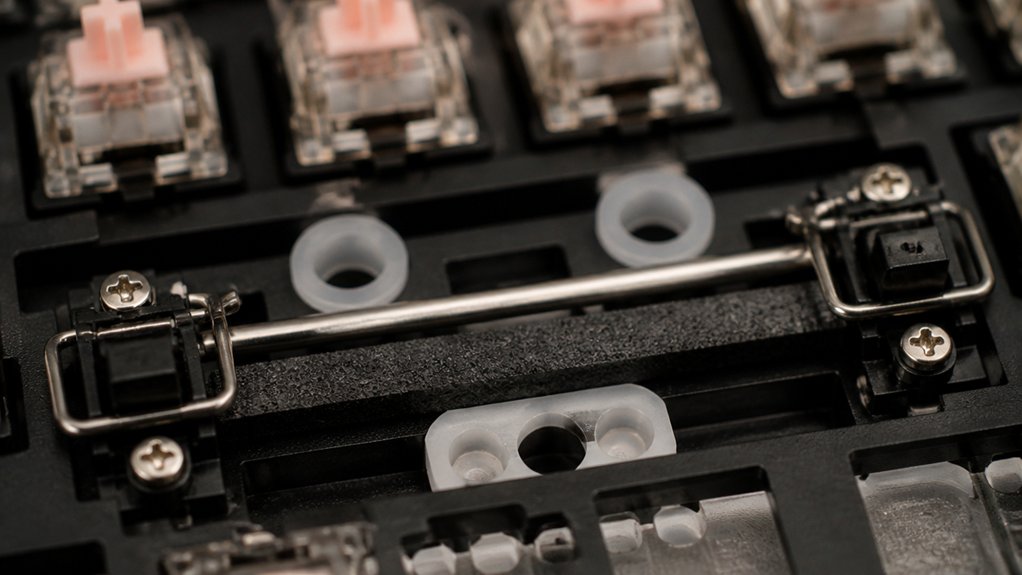
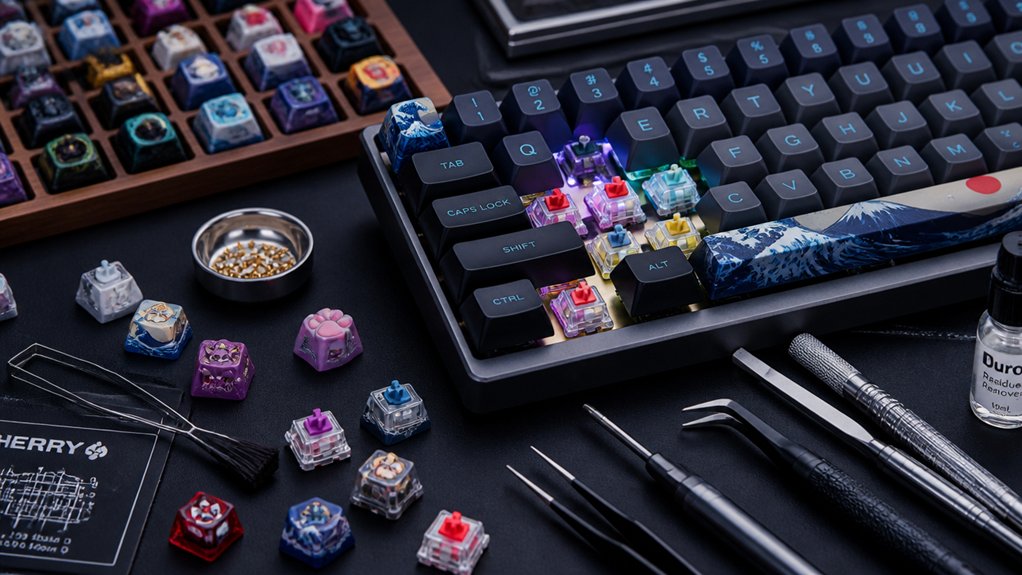
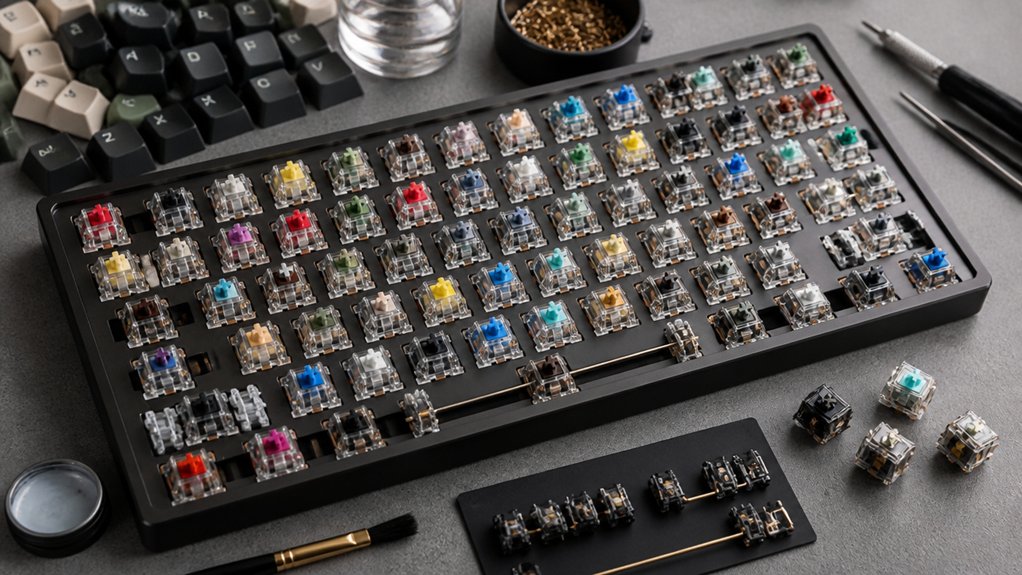
To guarantee comfort during long typing sessions, split keyboards incorporate several key features that support natural movement and reduce strain. Make sure to keep in mind that adjustable separation helps keep your wrists aligned and shoulders relaxed, preventing unnecessary bending and discomfort. Additionally, some models offer customizable key layouts and multiple switch options, enhancing both ergonomics and personalized comfort.hot-swappable switches help you easily adapt your keyboard to different preferences and needs.
Let me know if you’d like further adjustments!
How to Choose the Best Split Keyboard for Work, Gaming, and Ergonomics
Choosing the right split keyboard depends on your specific needs and how you plan to use it. For work, opt for mechanical keyboards with customizable key layouts, like the ZSA Ergodox EZ, to streamline your workflow through macros and layer switching.
If gaming is your focus, select models such as the Kinesis Freestyle Edge RGB, which allow repositioning of halves to create inside-shoulder mouse space, reducing reach and fatigue. Prioritize keyboards with adjustable tenting and separation to customize wrist and shoulder positioning, decreasing strain during long sessions.
Look for well-designed thumb clusters and tactile keys, like the Keyboardio Model 100, to minimize finger travel and boost comfort. Finally, choose keyboards with user-friendly software and strong community support to tailor ergonomics and features to your specific work or gaming needs. Additionally, consider split keyboard configurations that promote natural hand positioning.
What Factors Should You Consider Before Buying a Split Keyboard?

Before buying a split keyboard, you should consider how much customization you need and whether the software is user-friendly. Think about your budget and if you’re comfortable with prebuilt models or willing to assemble your own. Additionally, look into the hot-swappable switches and customizable firmware options to enhance your typing experience and durability. Furthermore, examine the connectivity options and adjustable features to find the best ergonomic fit for your needs.
Customization Options and Ease
When evaluating split keyboards, it’s essential to take into account their customization options and how easy they’re to adjust to your personal preferences. This directly influences your home row positioning and overall typing experience.
Look for features like programmable keys, custom layouts, and macros to streamline your workflow. Consider wireless options if mobility matters and cable clutter is a concern.
Ease of layout customization is critical—check if software tools like Chrysallis, Oryx, or web-based configurators are user-friendly. Also, guarantee features like adjustable split, tenting, and splay suit your posture and shoulder width.
Additionally, it’s beneficial to explore switch compatibility and how easily switches can be swapped or upgraded, as many 40% keyboards support hot-swappable sockets for 3-/5-pin switches. Finally, explore community support, available resources, and budget constraints to find a solution that balances comfort, learning curve, and cost.
Budget and Ecosystem Commitments
Budget considerations play a crucial role in selecting a split keyboard, as prices can vary widely depending on features and build quality. You’ll want to recommend checking how much the keyboard costs versus its durability and comfort benefits.
High-end models like Keyboardio or ZSA Ergodox EZ tend to be more expensive but offer better ergonomics and customization, which can help reduce wrist pain. Conversely, more economical options like MoErgo Glove80 fit tighter budgets but may lack advanced features.
Also, assess your ecosystem commitments—some keyboards support wireless functionality, while others don’t. If you’re into DIY builds, consider your technical skills and whether you want prebuilt models or kits. Material quality can significantly influence both the comfort and longevity of your chosen keyboard.
Whichever path you choose, understanding the ecosystem guarantees you’ll have good support for personalization and troubleshooting.
Find Resources and Join the Split Keyboard Community
Joining the split keyboard community is an excellent way to learn, troubleshoot, and customize your setup. Being part of active forums, YouTube channels, and Discord groups makes it much easier to use the keyboard comfortably. These resources provide tutorials, ergonomic advice, and user experiences that help you adapt quickly.
Joining keyboard communities offers expert advice, shared tips, and support for a comfortable, personalized setup.
Accessing community-shared layouts and firmware configurations accelerates your learning curve, making customization straightforward. Enthusiasts often host group buys and share unique keycap designs, enhancing personalization. Engaging with discussions about experimental layouts and ergonomic setups enables you to optimize comfort effectively.
Community-driven tools like Oryx and Chrysallis offer open-source software for programming and tailoring your split keyboard, ensuring you get the most out of your setup. Exploring QMK firmware support can further expand your customization potential and improve your programming skills.
Frequently Asked Questions
Do Split Keyboards Improve Wrist Posture as Well?
Yes, split keyboards improve your wrist posture by reducing strain and promoting a more natural hand alignment. They encourage you to keep your wrists straight, minimizing discomfort and potential long-term issues caused by extended periods of typing.
Are Split Keyboards Suitable for All Hand Sizes?
Split keyboards suit most hand sizes because you can adjust the angle and distance between halves for comfort. However, if you have very petite or large hands, you might need to try different models to find the best fit.
Can Split Keyboards Help Alleviate Existing Shoulder Pain?
Yes, split keyboards can help alleviate shoulder pain by promoting a more natural arm position, reducing strain, and allowing better posture. You’ll notice comfort increases as your shoulders relax and tension decreases during extended typing sessions.
Are There Any Drawbacks to Using a Split Keyboard Long-Term?
Yes, long-term use of split keyboards may cause adaptation issues, muscle strain if not properly positioned, and a learning curve. You might also experience temporary discomfort initially but generally benefit from improved ergonomics over time.
How Do I Adapt to Typing on a Split Keyboard?
You adapt to typing on a split keyboard by gradually increasing usage, maintaining proper hand positioning, and practicing regularly. This helps your muscles adjust, reducing strain and improving comfort over time with consistent, mindful effort.
In Summary
Choosing a split keyboard can greatly enhance your comfort and posture, whether for work, gaming, or long hours at the computer. By reducing strain on your shoulders, wrists, and hands, it helps prevent discomfort and injuries. When selecting a split keyboard, consider features that suit your needs and ergonomic preferences. Join the community to stay informed and get tips. Investing in the right split keyboard can make a noticeable difference in your daily comfort and overall well-being.